
 (800) 956-3728

If you live in a major city or urban area — whether L.A., Austin, Atlanta, or Chicago — you’re statistically more likely to deal with more traffic, an increase in accidents, and higher rates of vehicle theft or vandalism, according to the National Association of Insurance Commissioners. Understanding how city living impacts coverage needs can help you protect yourself financially while avoiding unnecessary premiums. Here’s how, and why, car insurance rates by city can be so different depending on your location.
Why Car Insurance Rates Vary by City
Insurers price policies around risk, and cities usually come with more of it. More cars on the road mean more chances for fender benders, serious collisions, and expensive injury claims. Some of the key factors that can affect your car insurance rate by city include:
- Traffic density: According to recent research, in 2025, Los Angeles ranked 10th for worst traffic congestion around the world. Car-clogged roads equal higher risk of accidents, and L.A. residents pay an average of $2,276 annually on car insurance, which is more than the state average.
- Theft and vandalism: Bigger cities also equal more people and more crime, increasing the likelihood of theft and vandalism to your vehicle — and an increase in comprehensive claims.
- Repair and medical costs: Labor rates, parts, and medical bills also tend to be higher in large metro areas, so claims tend to cost more, even if it’s a minor fix.
“Driving in densely populated areas often means higher repair costs, more traffic, and greater liability exposure. Higher coverage limits can provide added financial protection in the event of a serious accident, especially in major cities,” says Justin Yoshizawa, Director, Product Management.
Does Your ZIP Code Affect Car Insurance?
Yes, your ZIP code absolutely affects what you pay for car insurance. Companies look at historical claim frequency and severity, theft rates, weather events, lawsuit trends, and even average traffic volume for each ZIP code, then adjust rates accordingly.
For instance, urban ZIP codes often show higher accident counts, more parked‑car damage, and higher theft, while suburban areas may have fewer incidents and more homes with garages for parking.
High-Density Cities and Coverage Gaps to Watch For
Living in a high-density area with a higher risk means you may lack some coverage in certain areas. Check to make sure you have more insurance than the minimum required in the following areas:
- Liability: Basic liability coverage may not be enough if you’re involved in a serious accident, particularly in a city setting.
- Uninsured/underinsured motorist coverage: Big cities often have more drivers who either don’t have enough car insurance or are completely uninsured.
- Comprehensive coverage: Vandalism, theft, fire, and natural events like a tree branch falling on your vehicle are all covered under a comprehensive policy. While this is optional coverage in most states, it pays to have comprehensive coverage, especially if you park on the street in a downtown area.
When Higher Coverage Makes Financial Sense
Not everyone needs the same level of protection, but certain city driving makes stronger coverage a smart investment, especially if you factor in the high costs of an accident.
For instance, if you commute daily in heavy traffic or drive for a rideshare service like Uber or Lyft, higher coverage limits and additional protections can reduce financial risk if a claim occurs. You also may want to look into additional rideshare endorsements or commercial coverage.
If you’re driving a Mercedes SUV as opposed to a Toyota Corolla, or you regularly park your car in high-theft areas, it also pays to invest in more coverage. Comprehensive and collision coverage can help you with repairs and replacement in the event of theft, vandalism, or storm damage.
How to Balance Better Coverage With Affordable Rates
Higher coverage doesn’t necessarily mean unaffordable. There are ways to protect yourself while keeping your premiums manageable. Work with your local insurance agent to get a better handle on your specific risks and gaps, to ensure you have coverage that fits your needs and your budget. Also, ask about the following discounts:
- Bundling home and auto insurance
- Safe driver
- Anti-theft device or safety feature
- Low mileage
Working with someone who knows your area-specific risks can help you prioritize higher coverage without overpaying.
Smart Coverage for City Driving
Higher traffic, theft risks, and repair costs make it essential to reassess your coverage regularly. Reach out to Mercury today to get a quote or to speak with an agent and ensure your auto insurance matches your city-driving risks.
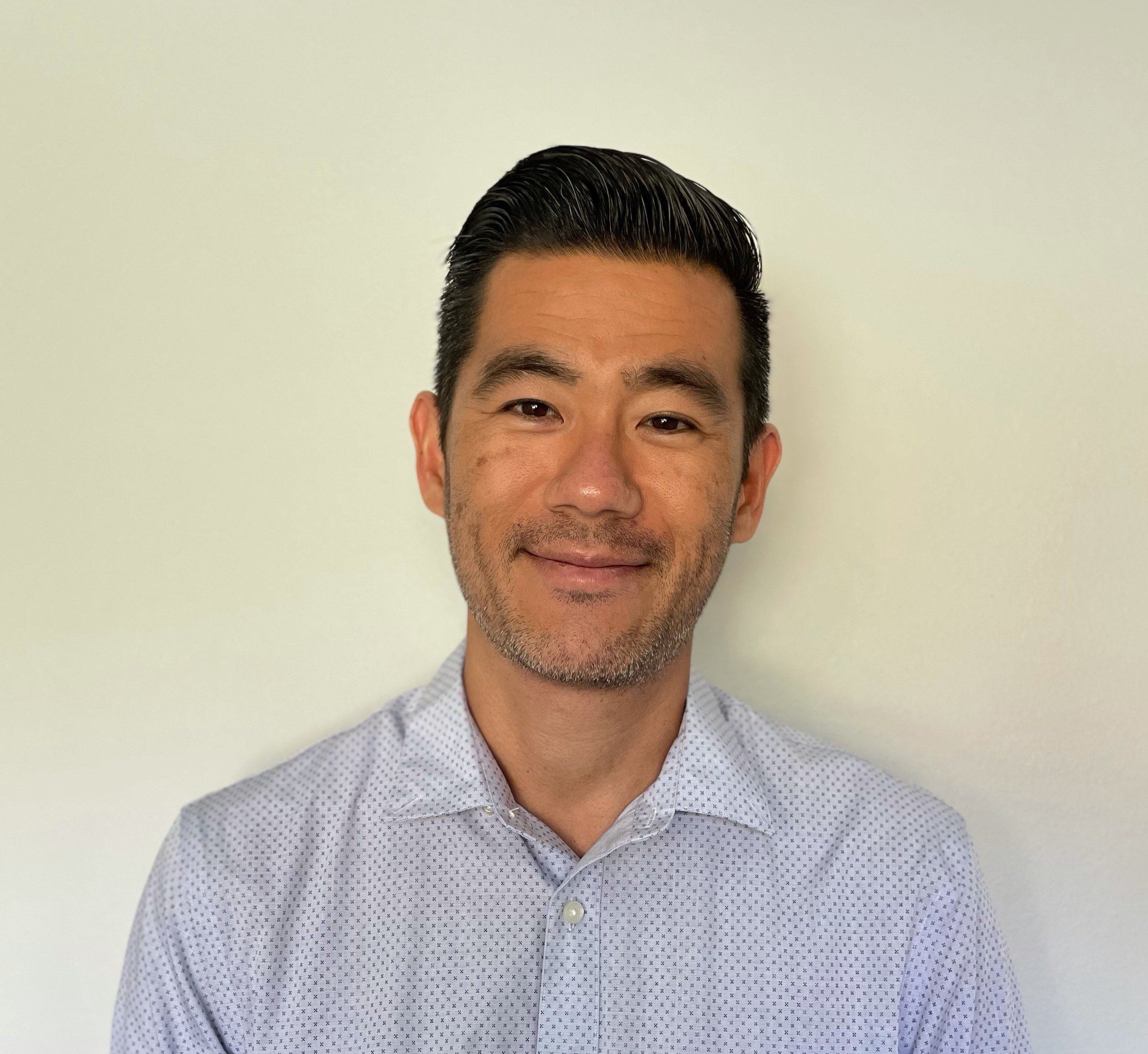
Justin Yoshizawa is Director of Product Management for Mercury Insurance, overseeing California’s personal lines, including auto, homeowners, landlord, and umbrella. He has led major initiatives such as the rollout of the aligned umbrella product across all Mercury territories and serves as a company spokesperson on auto-related topics. Yoshizawa holds dual Bachelor of Science degrees in Applied Mathematics and Applied Statistics from UC Santa Barbara.
The Mercury Marketing Team is made up of professionals in the fields of Content Creation, Public Relations, Social Media and Journalism. The team works together to deliver professionally written and researched content to provide information for consumers.